What the Latest Research Says About GLP-1s, Nutrition Gaps, and Getting Enough of What Matters
If you're using a popular GLP-1 medication like Ozempic, Zepbound or Wegovy for weight loss, it's important to be mindful of your nutrition, because you're probably eating significantly less than you used to. A recent review found that total caloric intake dropped by 16% to 39% in patients taking a GLP-1.
These medications help you feel full faster, so you eat less, which can lead to significant weight loss. But that same reduced appetite has a downside: it can mean you aren't taking in enough of the essential nutrients your body needs to stay healthy.
Some people taking GLP-1 medications say they don't feel hungry, skip eating for most of the day, or have just one large meal in the evening. And plenty of people on these drugs never change the kind of food they eat — they simply eat smaller amounts of the same less-healthy choices. The result is fewer calories and less variety, which is a recipe for missing key nutrients.
What the Latest Research Shows
This isn't just anecdotal. A narrative review published in Clinical Obesity in early 2026 pooled six studies covering more than 480,000 adults with diabetes, obesity, or both who were taking GLP-1 drugs. The researchers concluded that nutritional deficiencies should be considered "a common consequence" of GLP-1 therapy, and that doctors should monitor patients accordingly.
A few highlights from that research:
- Vitamin D deficiency was the most common problem, affecting about 13.6% of participants after 12 months of treatment in the largest study.
- Iron deficiency (around 3.2%) and
B vitamin deficiency (around 2.6%) also showed up, along with anemia tied to poor nutrition (about 4%).
- Deficiencies tended to
worsen the longer people stayed on treatment — more were diagnosed at 12 months than at 6 months.
- In a smaller study that tracked detailed food diaries, the gaps were striking: many participants fell short on calcium, nearly two-thirds didn't get enough iron, and almost none met the recommendation for vitamin D.
It's worth noting these findings come largely from observational data, so they show a strong association rather than ironclad proof of cause and effect. Still, the pattern is consistent enough that nutrition deserves real attention while you're on these medications.
What Happens When You Don't Get Enough
Falling short on nutrients can show up in ways that are easy to write off as "just part of losing weight," but shouldn't be ignored:
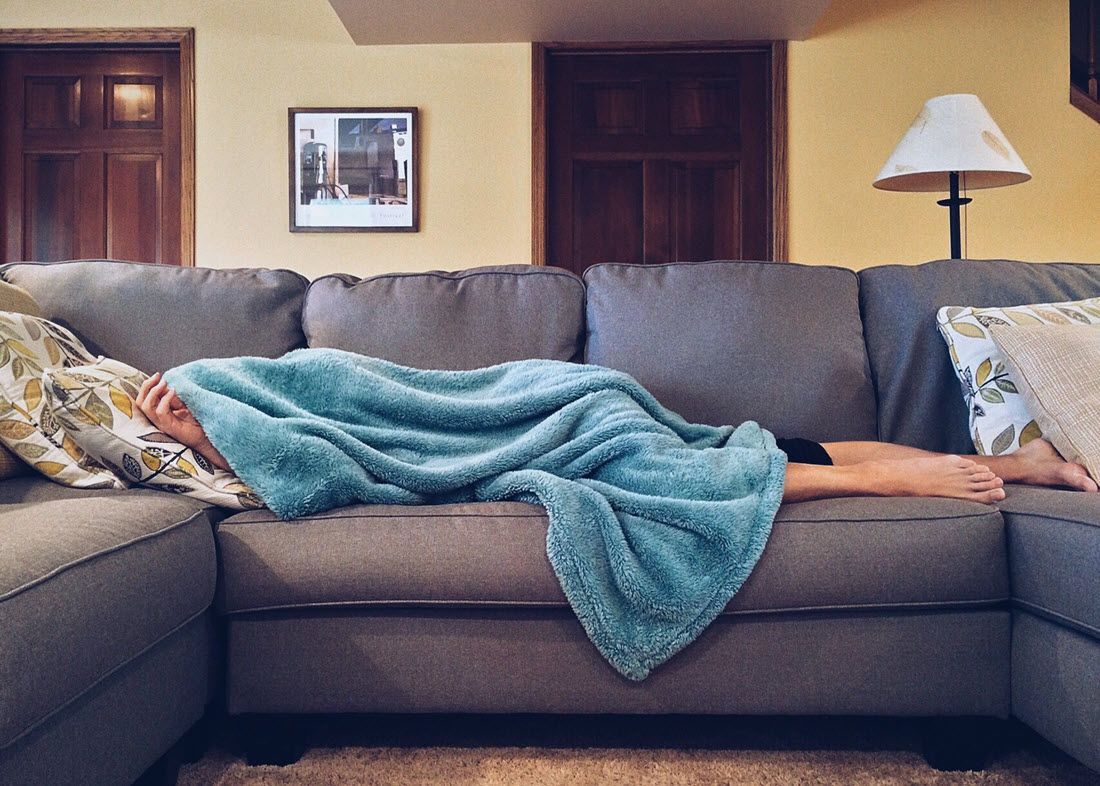
- Fatigue and dizziness — often linked to low iron, low calorie intake, or not drinking enough fluids.
- Muscle loss — too little protein can lead to a progressive loss of muscle mass and strength. This is a real concern on GLP-1s, since rapid weight loss can include muscle, not just fat.
- Digestive issues like constipation — frequently a sign of too little fiber and water.
- Hair and skin problems — a common downstream effect of overall undernutrition.
What to Eat and Drink for Balanced Nutrition
Even when your appetite is low, the right food choices go a long way toward preventing these problems.
The key is quality over quantity: with fewer bites to work with, each one should count. Aim to build meals around protein, healthy fats, whole grains, and plenty of fruits and vegetables.
Protein
- Lean meats (chicken, turkey)
- Fish and seafood
- Eggs
- Plant-based proteins like beans, lentils, tofu and soy products
- Low-fat dairy (yogurt, milk, cheese)
Fiber
- Whole grains (oats, quinoa, brown rice)
- Vegetables (broccoli, carrots, spinach, kale)
- Fruits (apples, oranges, berries)
- Nuts, seeds and legumes
Healthy fats
- Avocados
- Nuts and seeds
- Olive oil and other plant-based oils
- Fatty fish (salmon, tuna, mackerel)
Hydration
- Water (aim for 8–10 glasses a day)
- Low-calorie drinks (herbal tea, unsweetened beverages)
- Nutrient-dense drinks like low-fat milk or soy milk
- Limit sugary sodas, excess caffeine, and alcohol
Additional Tips for Staying Healthy
- Listen to your body. Fatigue, muscle loss, or constipation can all be signs that you're not getting enough nutrients or fluids.
- Don't skip meals entirely. Going without food all day can lead to malnutrition over time, even if you're not hungry.
- Consider meal replacement shakes or bars if your appetite is very low — they can help you hit your protein and vitamin targets when whole meals feel like too much.
- Add a daily multivitamin and supplements if your doctor recommends it. Given how often vitamin D, iron, and B vitamins come up in the research, this is a reasonable conversation to have.
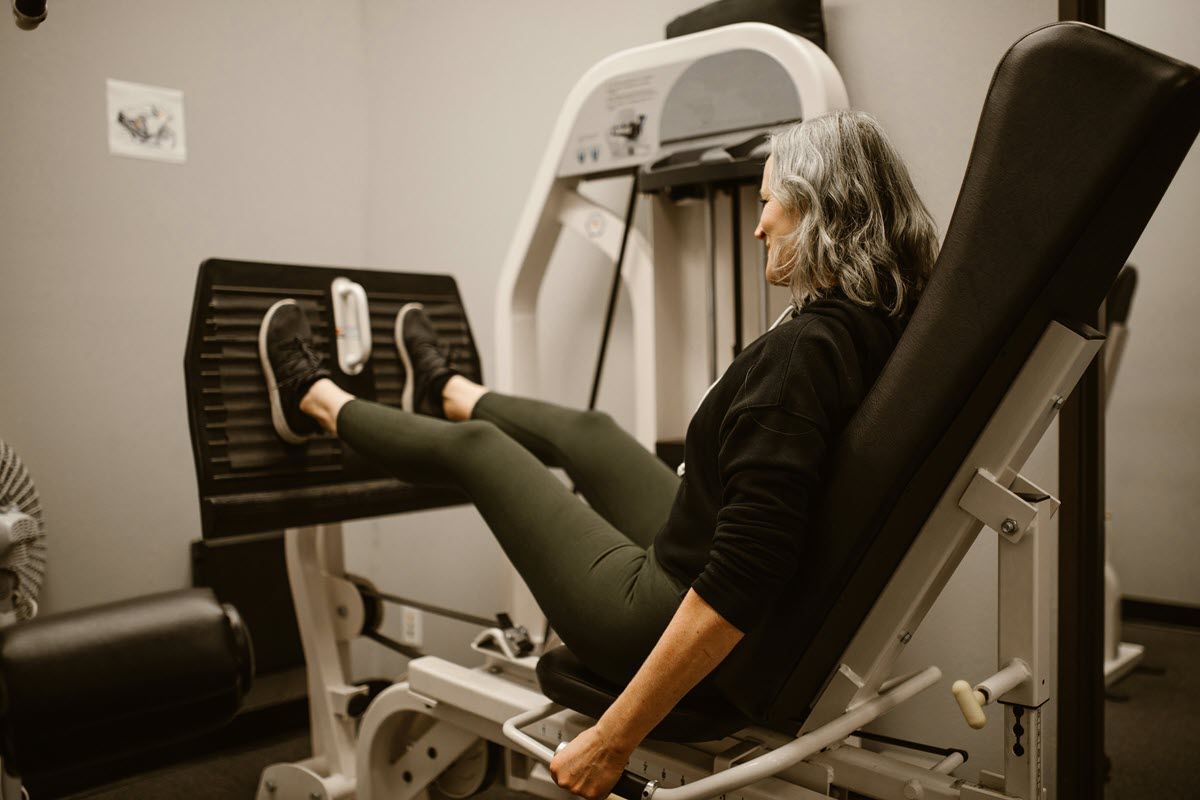
- Keep moving. Light to moderate exercise — especially walking and resistance training — helps preserve muscle and enhances the benefits of the medication.
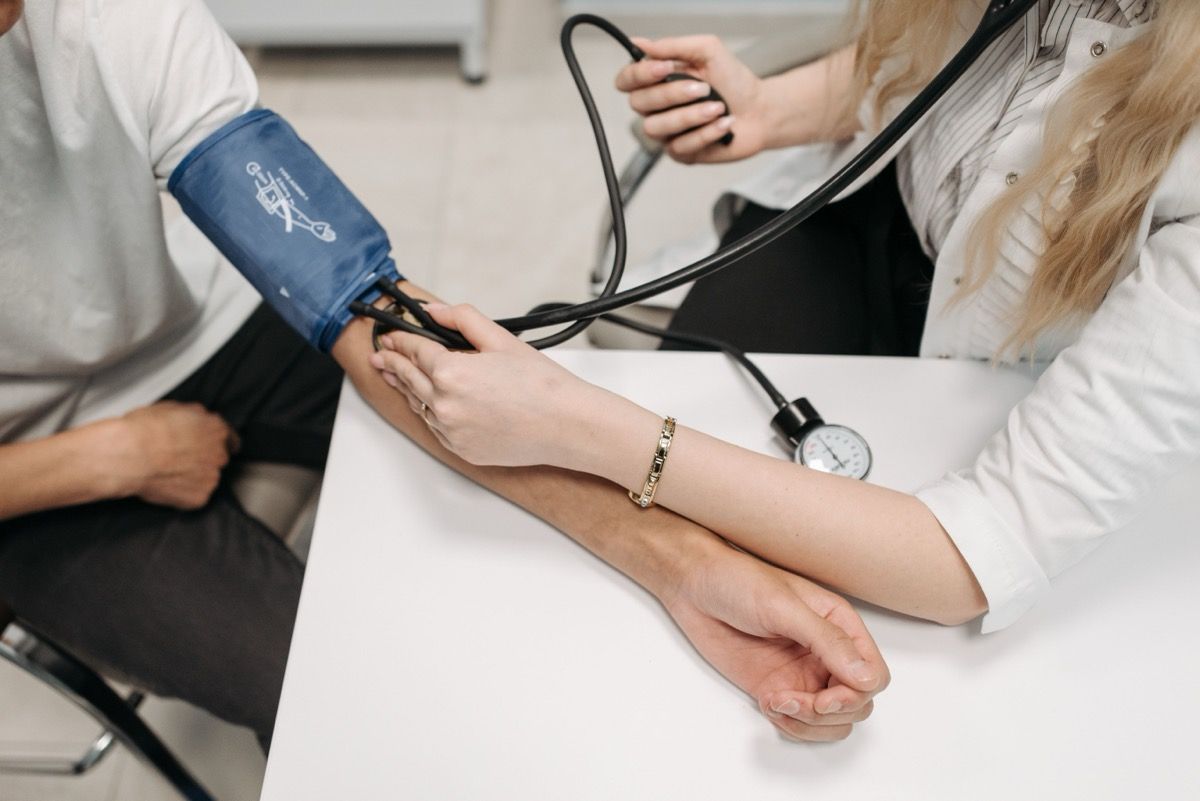
- Ask about bloodwork. If you've been on a GLP-1 for several months, periodic lab checks can catch a developing deficiency before it causes symptoms.
GLP-1 medications can be a powerful tool for weight loss and metabolic health. Getting the nutrition piece right is what helps you feel strong and energized along the way — not just lighter on the scale.